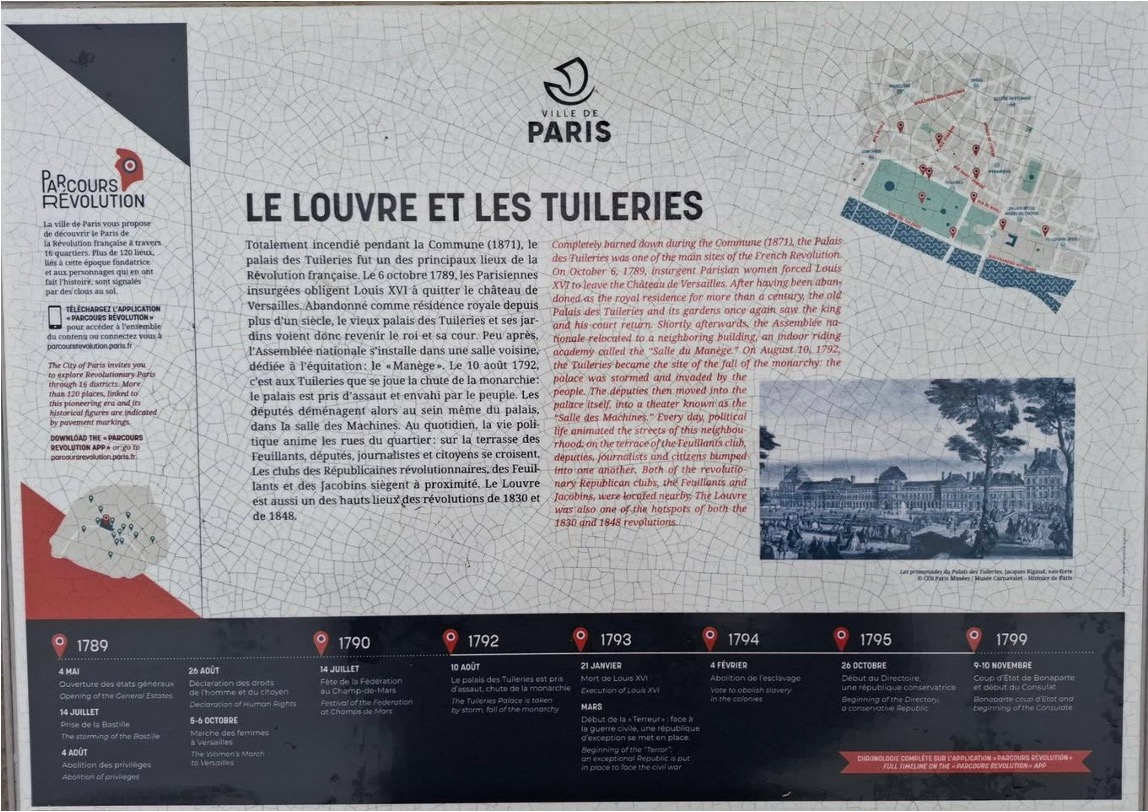
I had the chance to stroll along a magnificent Parisian garden at the Tuileries, a place deeply intertwined with the events of the French Revolution. At the entrance of the park, there is a sign noting that the people who gathered there sent Louis XVI away from Paris, starting a chain of events that led to his beheading. I find it intriguing—and somewhat ironic—that the sign describes the period that followed as an "exceptional Republic."
If you are going to read just one book on the subject, please refrain from French authors; French see La Revolution just like Christians see Christmas: some kids got beheaded by Herod but it was for the best!
The bill
If every doctor is a pawn of the pharmaceutical companies, every politician a traitor, and everyone "on our side" infallible, enlightened and the only ones with access to the Truth — through their own networks — then social cohesion will be tested again in the next crisis.
The method
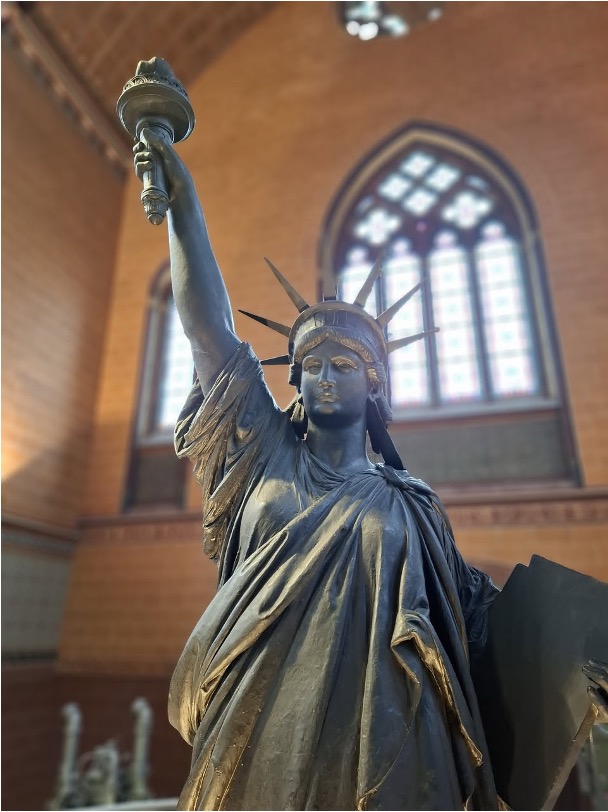
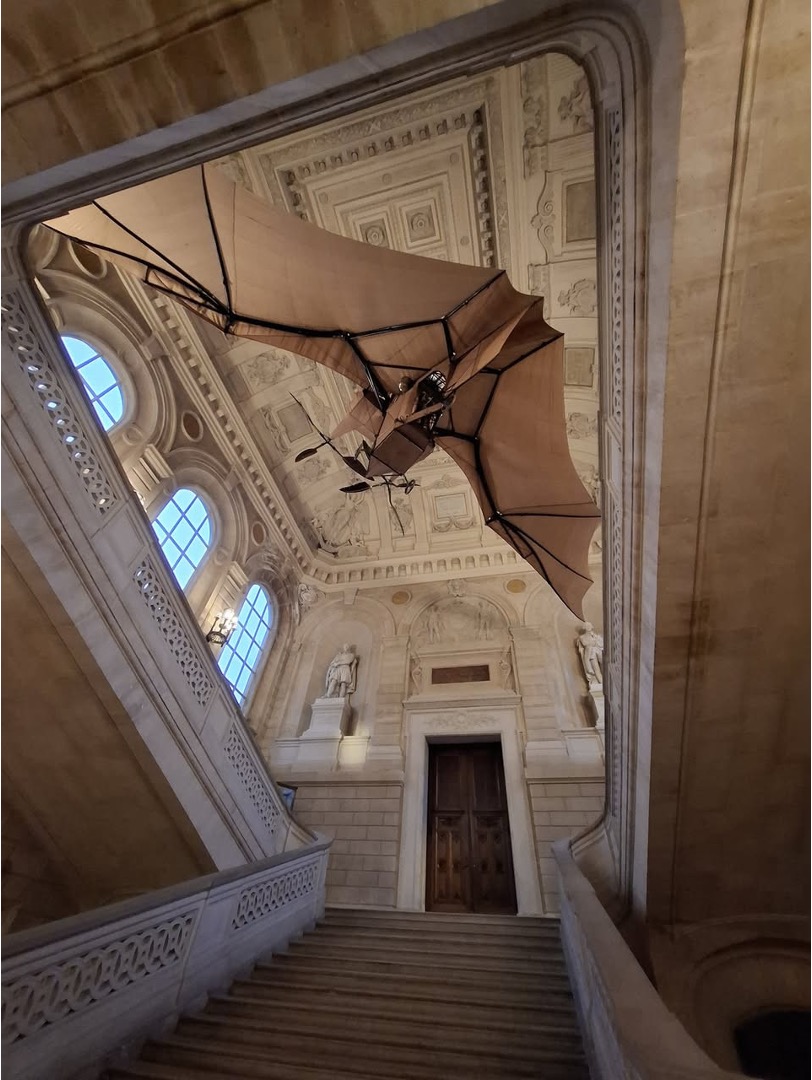
This museum captures the "Cambrian period" of modern science and technology from the late 19th century, a time when countless shapes, ideas, and inventions were being tested. Some worked, many didn't—but all contributed to the innovations we enjoy today.
Reflecting on this, I'm reminded of how modern neuroscience, cognitive science, and even machine learning teach us that knowledge isn't just about forming connections—it's about learning to inhibit wrong ones.
Even the great Newton, while uncovering the laws of planetary motion, also went after the mystical secrets of the Pink Cross Knights. This human longing for clarity and simplicity amidst complexity is timeless—and endlessly fascinating.